PCOD डाइट चार्ट: आयुर्वेदिक आहार योजना
भारतीय महिलाओं के लिए
PCOD के लिए सही भोजन करने की एक व्यावहारिक, परंपरा में निहित मार्गदर्शिका — आयुर्वेद की ज्ञान परंपरा और रोज़मर्रा की भारतीय रसोई की सामग्रियों का उपयोग करते हुए।
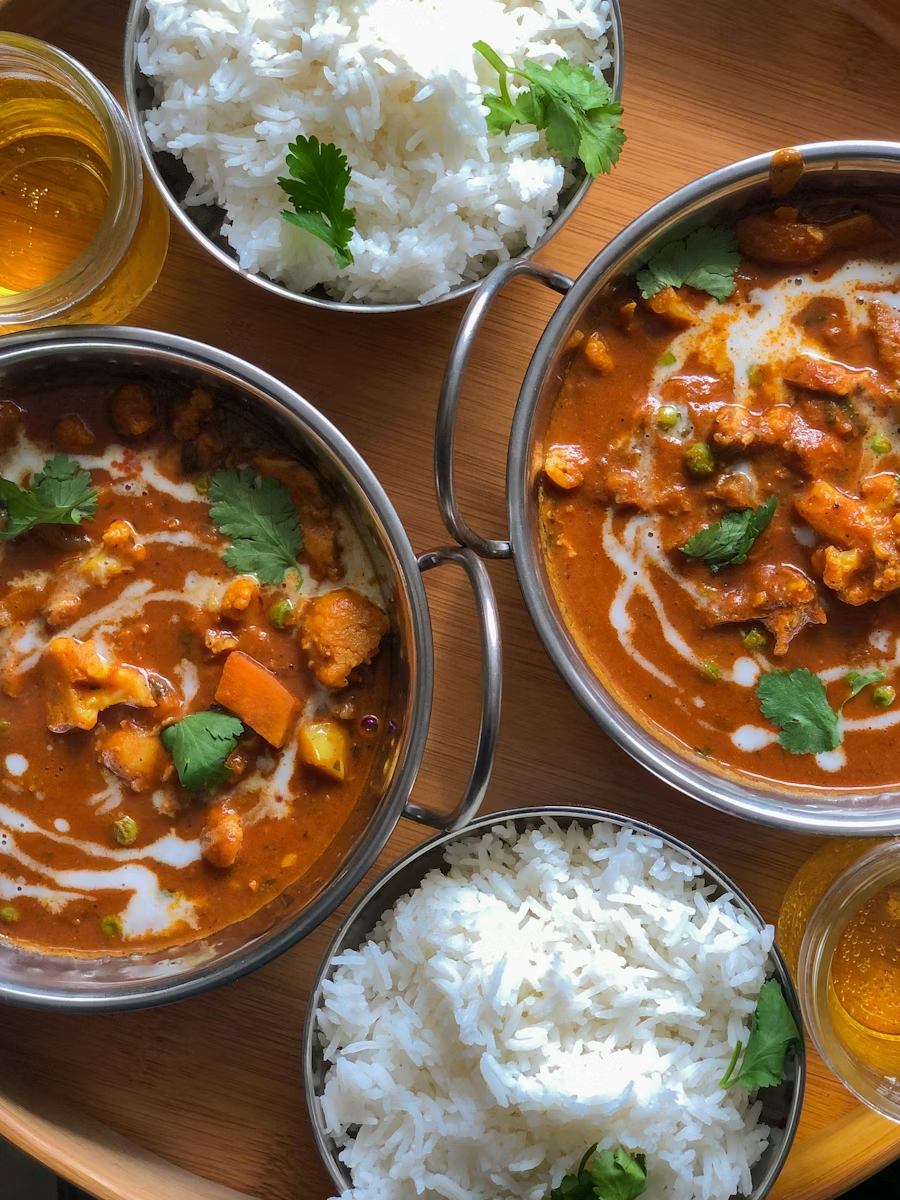
पारंपरिक भारतीय मसाले — हल्दी, दालचीनी, जीरा — आयुर्वेदिक PCOD आहार की आधारशिला हैं।
- PCOD क्या है? (सरल व्याख्या)
- PCOD पर आयुर्वेदिक दृष्टिकोण
- PCOD आहार के स्वर्णिम नियम
- रोज़ क्या खाएं (खाद्य सूची)
- पूरे दिन का PCOD डाइट चार्ट
- 7-दिवसीय आयुर्वेदिक भोजन योजना
- किन खाद्य पदार्थों से सख्त परहेज़
- आयुर्वेदिक जड़ी-बूटियाँ और घरेलू उपाय
- आहार से परे जीवनशैली के सुझाव
- अंतिम निष्कर्ष
🔬 PCOD क्या है? इसे सरल भाषा में समझें
अगर आप PCOD के बारे में ज़्यादा नहीं जानतीं — तो चिंता न करें। आप अकेली नहीं हैं। PCOD (पॉलीसिस्टिक ओवेरियन डिज़ीज़) आज भारतीय महिलाओं में, विशेषकर 15 से 45 वर्ष की आयु के बीच, सबसे आम हार्मोनल स्थितियों में से एक बन गई है।
सरल शब्दों में, PCOD एक ऐसी स्थिति है जिसमें अंडाशय बहुत अधिक अपरिपक्व या आंशिक रूप से परिपक्व अंडे बनाते हैं, जो समय के साथ छोटे सिस्ट बन जाते हैं। इस कारण शरीर सामान्य से अधिक मात्रा में पुरुष हार्मोन (एंड्रोजन) बनाने लगता है, जिससे समस्याओं की एक पूरी श्रृंखला शुरू हो जाती है — अनियमित माहवारी, अचानक वज़न बढ़ना, मुँहासे, चेहरे पर अधिक बाल, बाल झड़ना, मूड में उतार-चढ़ाव और कुछ मामलों में गर्भधारण में कठिनाई।
महत्वपूर्ण अंतर: PCOD और PCOS को अक्सर एक ही समझा जाता है, लेकिन ये थोड़े अलग हैं। PCOD को आम तौर पर अधिक प्रबंधनीय स्थिति माना जाता है और इसे अक्सर आहार और जीवनशैली में बदलाव से नियंत्रित किया जा सकता है। PCOS (पॉलीसिस्टिक ओवेरियन सिंड्रोम) अधिक गंभीर होता है। यह मार्गदर्शिका PCOD प्रबंधन पर केंद्रित है।
भारतीय महिलाओं के लिए PCOD को विशेष रूप से कठिन बनाता है हमारी जीवनशैली — अधिक कार्बोहाइड्रेट, अधिक चीनी, और अक्सर अनियमित आहार की आदतें, तनाव, निष्क्रिय दिनचर्या और बाधित नींद के साथ। ये वही परिस्थितियाँ हैं जिनमें PCOD पनपता और बिगड़ता है।
अच्छी खबर? आहार आपके पास सबसे शक्तिशाली उपकरणों में से एक है। हर दिन क्या खाती हैं — इसमें सही बदलाव करने से PCOD के लक्षणों को काफी हद तक कम किया जा सकता है, हार्मोन को नियमित किया जा सकता है, और चक्र को प्राकृतिक रूप से वापस सामान्य पर लाया जा सकता है।
निश्चित नहीं कि आपको PCOD है?
व्यक्तिगत मूल्यांकन के लिए हमारे प्रमाणित आयुर्वेदिक वैद्य से बात करें। हम आपकी प्रकृति (शरीर के प्रकार) के माध्यम से निदान करते हैं और केवल आपके लिए एक अनुकूलित आहार योजना बनाते हैं — एक ही योजना सभी के लिए वाला कोई तरीका नहीं।
🌿 आयुर्वेद और PCOD: एक गहरी समझ
आयुर्वेद — भारत की 5,000 वर्ष पुरानी जीवन विज्ञान — सीधे “PCOD” शब्द का उपयोग नहीं करती, लेकिन इसने आर्तव क्षय (मासिक धर्म प्रवाह में कमी और प्रजनन शक्ति में ह्रास) और पुष्पघ्नी जातरिणी जैसी स्थितियों का वर्णन किया है जो आधुनिक PCOD की समझ से बहुत मिलती-जुलती हैं।
आयुर्वेदिक दृष्टि से, PCOD मुख्यतः कफ दोष और वात दोष के असंतुलन के कारण होता है। जब कफ असामान्य रूप से बढ़ता है, तो शरीर में विषाक्त पदार्थों (आम) का संचय होता है, जो प्रजनन कार्य के लिए ज़िम्मेदार मार्गों (स्रोतस) को अवरुद्ध करता है। इससे मंद चयापचय, वज़न बढ़ना, हार्मोनल अनियमितता और सिस्ट निर्माण होता है।
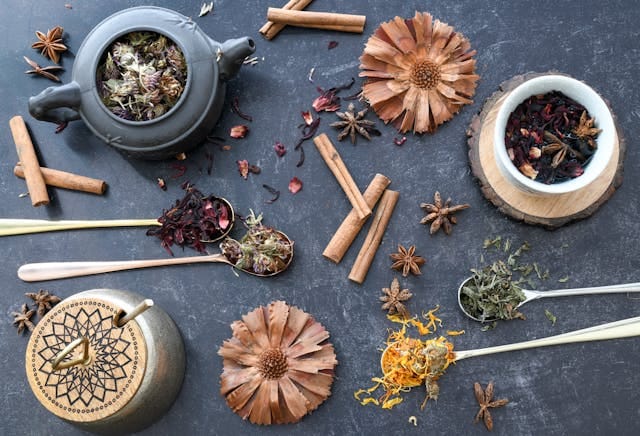
शतावरी, अश्वगंधा और त्रिफला जैसी आयुर्वेदिक जड़ी-बूटियाँ हार्मोनल संतुलन बहाल करने में शक्तिशाली सहायक हैं।
आयुर्वेदिक मूल कारण: आयुर्वेद के अनुसार मुख्य दोषी हैं — भारी, ठंडे, मीठे और तैलीय खाद्य पदार्थों का अत्यधिक सेवन; शारीरिक गतिविधि की कमी; अनियमित भोजन समय; प्राकृतिक आवेगों का दमन; और दीर्घकालिक भावनात्मक तनाव। क्या यह जाना-पहचाना लगता है?
PCOD के लिए आयुर्वेदिक उपचार, इसलिए, शोधन (विषाक्त पदार्थों की सफाई), शमन (दोषों को संतुलित करना), और रसायन (प्रजनन प्रणाली को पोषण और पुनर्जीवन देना) पर केंद्रित है। आहार इस उपचार की नींव है।
आयुर्वेदिक दृष्टिकोण कोई क्रैश डाइट या कठोर योजना नहीं है — यह खाने का एक तरीका है जो आपके शरीर की प्राकृतिक लय, ऋतुओं और आपकी व्यक्तिगत प्रकृति के साथ संरेखित होता है। यह टिकाऊ है, परिचित भारतीय सामग्रियों पर आधारित है, और भीतर से काम करता है।
⭐ PCOD आहार के 5 स्वर्णिम नियम
-
हर दिन निश्चित समय पर खाएं। आपके शरीर के हार्मोन आपकी आंतरिक घड़ी (सर्केडियन रिदम) से गहराई से जुड़े हैं। अनियमित समय पर खाना इंसुलिन संवेदनशीलता को बाधित करता है, जो सीधे PCOD को बिगाड़ता है। सुबह 9 बजे से पहले नाश्ता, दोपहर 12-2 बजे के बीच लंच, और रात 8 बजे से पहले डिनर — यही स्वर्णिम समय-सीमा है।
-
कम ग्लाइसेमिक इंडेक्स (Low GI) वाले खाद्य पदार्थ चुनें। PCOD और इंसुलिन प्रतिरोध अधिकांश मामलों में साथ-साथ चलते हैं। जो खाद्य पदार्थ रक्त शर्करा को तेज़ी से बढ़ाते हैं वे दुश्मन हैं। सफ़ेद चावल की जगह ब्राउन राइस, मैदे की जगह पूरे गेहूं की रोटी, और तीव्र PCOD के दौरान आम-केले की जगह बेरी जैसे फल।
-
पर्याप्त पानी पीएं, गर्म पानी को प्राथमिकता दें। आयुर्वेद विशेष रूप से ठंडे पानी की जगह गर्म या सामान्य तापमान के पानी की सिफारिश करता है। ठंडा पानी कफ को बढ़ाता है और पाचन (अग्नि) को धीमा करता है। रोज़ कम से कम 2.5 से 3 लीटर गर्म या गुनगुना पानी पीएं।
-
हर भोजन को सूजन-रोधी बनाएं। PCOD से ग्रस्त अधिकांश महिलाओं में दीर्घकालिक हल्की सूजन मौजूद होती है। हल्दी, जीरा, धनिया और अदरक जैसे सूजन-रोधी मसाले — जो पहले से ही भारतीय खाना पकाने में मुख्य हैं — आपकी दैनिक दवा हैं। इन्हें भरपूर मात्रा में उपयोग करें।
-
प्रसंस्कृत भोजन और परिष्कृत चीनी पूरी तरह बंद करें। यह अनिवार्य है। पैकेज्ड स्नैक्स, परिष्कृत चीनी, मैदा, और ठंडे पेय PCOD के सबसे बड़े आहार कारण हैं। “कभी-कभी” सेवन भी आपके हार्मोन को अस्त-व्यस्त बनाए रखता है।
🥦 क्या खाएं? — PCOD के लिए सर्वोत्तम खाद्य पदार्थ
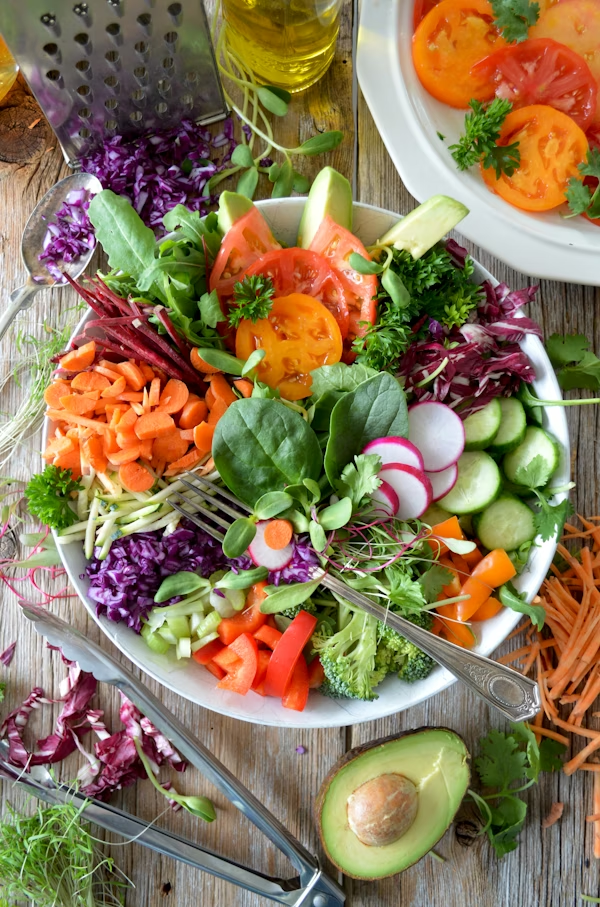
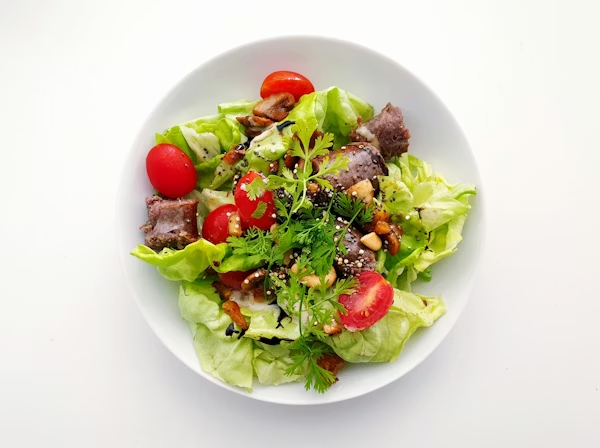
नीचे PCOD-अनुकूल खाद्य पदार्थों की एक विस्तृत सूची है, श्रेणी के अनुसार व्यवस्थित, जो भारतीय घरों और बाज़ारों में आसानी से उपलब्ध सामग्रियों पर केंद्रित है।
- ब्राउन राइस (लाल चावल)
- जौ (Barley)
- रागी (Finger Millet)
- ज्वार और बाजरे की रोटी
- ओट्स (रोल्ड, इंस्टेंट नहीं)
- पूरे गेहूं का आटा
- क्विनोआ
- करेला (Bitter Gourd)
- पालक और मेथी
- लौकी (Bottle Gourd)
- ब्रोकोली और फूलगोभी
- शिमला मिर्च और टमाटर
- सहजन (Drumstick)
- कद्दू और तोरई
- आँवला (Indian Gooseberry)
- अमरूद (Guava)
- अनार (Pomegranate)
- पपीता (Papaya)
- बेरी (सभी प्रकार)
- नाशपाती (Pear)
- हरा सेब
- मूँग दाल (पीली / हरी)
- मसूर दाल
- चना (Chickpeas)
- राजमा (सीमित मात्रा में)
- अंडे (रोज़ 2)
- पनीर (कम वसा)
- टोफू और टेम्पेह
- अलसी (Flaxseeds)
- कद्दू के बीज
- सूरजमुखी के बीज
- बादाम और अखरोट
- नारियल तेल / घी (सीमित)
- तिल (Sesame Seeds)
- हल्दी — रोज़ाना
- दालचीनी (Cinnamon)
- जीरा (Cumin)
- मेथी दाना (Fenugreek Seeds)
- अदरक (Ginger)
- अश्वगंधा पाउडर
- काली मिर्च (Black Pepper)
आयुर्वेदिक सुझाव: खाने से पहले मेवे और बीजों को रात भर भिगोने से उनकी पाचनशक्ति में बहुत सुधार होता है। भीगे बादाम, अलसी और मेथी के बीज PCOD के लिए सूखे खाने की तुलना में बहुत अधिक फायदेमंद हैं। यह सरल आदत बड़ा अंतर ला सकती है।
📅 PCOD डाइट चार्ट — पूरे दिन की योजना
यहाँ एक व्यावहारिक, आयुर्वेदिक रूप से संरेखित आहार चार्ट है जिसे आप प्रतिदिन अनुसरण कर सकती हैं। यह एक टेम्पलेट है — ढाँचे को बनाए रखते हुए मौसम और उपलब्धता के अनुसार सामग्री बदलती रहें।
| समय | भोजन / पेय | विवरण और क्यों फायदेमंद है |
|---|---|---|
| सुबह 6:00 – 6:30 बजेसुबह उठते ही | डिटॉक्स पेय | गर्म पानी में आधे नींबू का रस + एक चुटकी दालचीनी पाउडर + 1 चम्मच भीगे मेथी के बीज का पानी। पाचन को शुरू करता है, कफ कम करता है, और दिन की शुरुआत से रक्त शर्करा को नियंत्रित करता है। |
| सुबह 7:00 – 7:30 बजेप्राणायाम के बाद | नाश्ते से पहले | 5 भीगे बादाम + 2 भीगे अखरोट + 1 चम्मच भीगे अलसी के बीज। ओमेगा-3 से भरपूर जो PCOD में सीधे एंड्रोजन स्तर को कम करने में मदद करता है। |
| सुबह 8:30 – 9:00 बजेनाश्ता | नाश्ता (भरपूर और पोषक) | विकल्प A: रागी या ओट्स उपमा सब्जियों के साथ + 1 उबला अंडा / मूँग दाल का चीला। विकल्प B: मेथी पराठा (पूरे गेहूं, कम तेल) कम वसा वाले दही के साथ। विकल्प C: स्मूदी बाउल — केला-मुक्त, आँवला, पालक, अमरूद, बीज डालें। |
| सुबह 11:00 बजेमध्य-सुबह | मध्य-सुबह का नाश्ता | 1 कप हर्बल चाय (स्पियरमिंट / दालचीनी / अदरक) — बिना चीनी। या 1 छोटी कटोरी मिश्रित बीज। स्पियरमिंट चाय को PCOD वाली महिलाओं में टेस्टोस्टेरोन स्तर कम करने के लिए चिकित्सकीय रूप से सिद्ध किया गया है। |
| दोपहर 1:00 – 2:00 बजेदोपहर का खाना | दोपहर का भोजन (दिन का सबसे बड़ा) | 2 मल्टीग्रेन रोटी + 1 कटोरी दाल / सब्जी (मौसमी सब्जियाँ) + 1 कटोरी ब्राउन राइस (छोटा हिस्सा) + 1 कटोरी दही + नींबू और जीरे के साथ सलाद। सुनिश्चित करें कि दाल/सब्जी में तड़के में हल्दी, जीरा और अदरक हो। |
| शाम 4:00 – 4:30 बजेशाम का नाश्ता | शाम का नाश्ता | 1 मुट्ठी भुना चना / मखाना + 1 छोटा फल (अमरूद, नाशपाती या अनार)। यहाँ बिस्किट, नमकीन, या चीनी वाली चाय से बचें — यह PCOD की बहुत आम गलती है। |
| शाम 7:30 – 8:00 बजेरात का खाना | रात का भोजन (हल्का और जल्दी) | हल्का रखें। 1-2 रोटी + हल्का सूप या सब्जी + मूँग दाल। रात को चावल से परहेज़ करें। हल्का, जल्दी रात का खाना PCOD प्रबंधन के लिए सबसे प्रभावशाली बदलावों में से एक है। |
| रात 9:00 – 9:30 बजेसोने से पहले | सोने से पहले का पेय | 1 गिलास गर्म हल्दी दूध (गोल्डन मिल्क) — अधिमानतः गाय के दूध के साथ। करक्यूमिन अवशोषण बढ़ाने के लिए काली मिर्च की एक चुटकी डालें। यह रात भर सूजन कम करता है और हार्मोनल संतुलन को सहारा देता है। |
🗓 PCOD के लिए 7-दिवसीय आयुर्वेदिक भोजन योजना
शुरुआत करना आसान बनाने के लिए, यहाँ एक उपयोग के लिए तैयार 7-दिन का नमूना योजना है। अपनी रसोई में जो उपलब्ध हो उसके आधार पर इसे बदलें और अनुकूलित करें — सटीक सामग्री से अधिक ढाँचा महत्वपूर्ण है।
याद रखें: हर रात सोने से पहले — 1 गिलास गर्म हल्दी दूध। हर सुबह — गर्म नींबू + मेथी पानी। केवल ये दो आदतें, लगातार अभ्यास से, 4-6 सप्ताह में उल्लेखनीय अंतर लाएंगी।
सर के साथ वास्तव में बहुत अच्छा अनुभव रहा… मुझे PCOD था, दो बार गर्भपात हुआ और 2023 में गेस्टेशनल डायबिटीज़ के साथ एक समय से पहले बच्चे को खोया। लेकिन सर की दवाओं से अब मैं एक स्वस्थ बेटे की माँ बनी हूँ और एक महीने में मेरा HBA1c 6 से 5.6 पर आ गया… आपका पाना सच में सौभाग्य है सर.. इसी तरह अच्छा काम करते रहें।
क्या आप अपनी उपचार यात्रा शुरू करने के लिए तैयार हैं?
यह 7-दिन की योजना केवल एक झलक है। हमारे आयुर्वेदिक डॉक्टर एक पूर्ण 12-सप्ताह का व्यक्तिगत प्रोटोकॉल तैयार करते हैं जिसमें आहार, जड़ी-बूटियाँ, योग और जीवनशैली शामिल हैं — सब आपकी विशिष्ट ज़रूरतों के अनुसार।
🚫 क्या न खाएं — इन खाद्य पदार्थों से सख्त परहेज़
क्या नहीं खाना चाहिए, यह जानना उतना ही महत्वपूर्ण है जितना यह जानना कि क्या खाना चाहिए। ये खाद्य पदार्थ या तो इंसुलिन बढ़ाते हैं, सूजन बढ़ाते हैं, या कफ दोष को बिगाड़ते हैं — जो सभी सीधे PCOD के लक्षणों को बिगाड़ते हैं।
- परिष्कृत सफ़ेद चीनी
- मिठाई और भारतीय मिष्ठान्न
- ठंडे पेय और फलों के जूस
- चॉकलेट (दूध-आधारित)
- आइसक्रीम और मिठाइयाँ
- शहद अत्यधिक मात्रा में
- मैदा (All-Purpose Flour)
- सफ़ेद ब्रेड और पास्ता
- सफ़ेद चावल (अत्यधिक)
- सूजी अधिक मात्रा में
- पूरी और भटूरे
- बिस्किट और कुकीज़
- समोसा, कचोरी, वड़ा
- फ्रेंच फ्राइज़ और चिप्स
- पैकेज्ड नमकीन
- फास्ट फूड (पिज़्ज़ा, बर्गर)
- गहरे तले स्नैक्स
- प्रसंस्कृत सॉस
- पूर्ण वसा वाला दूध (कम करें)
- पनीर अत्यधिक मात्रा में
- फ्लेवर्ड दही
- नियमित रूप से चीज़
- क्रीम और मक्खन
- कंडेंस्ड मिल्क
- चीनी वाली चाय / कॉफ़ी
- पैकेज्ड फ्रूट जूस
- शराब पूरी तरह बंद
- ठंडे पेय पूरी तरह बंद
- एनर्जी ड्रिंक्स
- फ्लेवर्ड मिल्क ड्रिंक्स
- ठंडा पानी और ठंडे पेय
- नियमित आइसक्रीम
- फ्रोज़न / रेडी-टू-ईट भोजन
- भारी नॉन-वेज (सूअर का मांस, लाल मांस)
- डिब्बाबंद और प्रसंस्कृत भोजन
- बार-बार गर्म किया हुआ बचा खाना
विशेष चेतावनी: सोया उत्पाद (सोया मिल्क, अधिक मात्रा में टोफू, सोया चंक्स) में फाइटोएस्ट्रोजन होते हैं जो हार्मोनल संतुलन में बाधा डाल सकते हैं। टोफू सीमित मात्रा में लें — सप्ताह में अधिकतम 2-3 बार। यदि आपको PCOD है तो सोया मिल्क को रोज़ाना डेयरी विकल्प के रूप में उपयोग करने से बचें।
🌱 PCOD के लिए आयुर्वेदिक जड़ी-बूटियाँ और घरेलू उपाय
आपकी रसोई और स्थानीय पंसारी की दुकान एक फार्मेसी है। इन आयुर्वेदिक जड़ी-बूटियों का महिलाओं के प्रजनन स्वास्थ्य को सहारा देने के लिए पीढ़ियों से उपयोग किया जाता रहा है और अब ये आधुनिक शोध द्वारा भी समर्थित हैं।
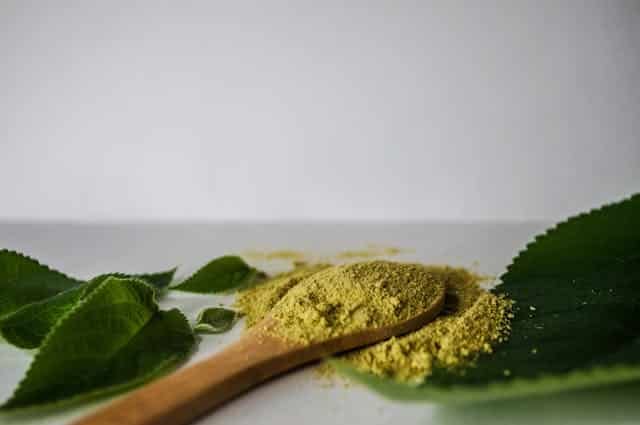
अश्वगंधा, शतावरी, त्रिफला — PCOD में हार्मोनल संतुलन के लिए प्रकृति के सबसे शक्तिशाली सहायक।
महिलाओं के लिए अक्सर “आयुर्वेदिक जड़ी-बूटियों की रानी” कही जाती है। शतावरी महिला हार्मोन को नियमित करती है, ओव्यूलेशन को सहारा देती है, और प्रजनन ऊतकों को पोषित करती है। हर सुबह 1 चम्मच पाउडर को गर्म दूध के साथ लें।
एक शक्तिशाली अनुकूलक जो कोर्टिसोल (तनाव हार्मोन) को कम करती है — जो PCOD में हार्मोनल असंतुलन का प्रमुख कारण है। थायरॉइड कार्य को भी सहारा देती है। सोने से पहले गर्म दूध के साथ 500mg कैप्सूल या ½ चम्मच पाउडर।
अध्ययनों से पता चला है कि मेथी के बीज इंसुलिन संवेदनशीलता में उल्लेखनीय सुधार करते हैं। 1 चम्मच को रात भर पानी में भिगोएं और हर सुबह छना हुआ पानी पीएं। खाना पकाने में मेथी की पत्तियाँ नियमित रूप से डालें — दोनों ही फायदेमंद हैं।
PCOD के लिए सबसे अधिक शोधित मसालों में से एक। दालचीनी इंसुलिन प्रतिरोध में सुधार करती है, मासिक धर्म चक्र को नियंत्रित करती है, और टाइप-2 डायबिटीज़ के जोखिम को कम करती है — जिसके प्रति PCOD वाली महिलाएं अधिक संवेदनशील होती हैं। अपने सुबह के डिटॉक्स पेय या चाय में ½ चम्मच डालें।
आँवला विटामिन C और एंटीऑक्सीडेंट से असाधारण रूप से समृद्ध है। यह लीवर को डिटॉक्सीफाई करता है, जो हार्मोन चयापचय में महत्वपूर्ण भूमिका निभाता है। रोज़ 1 ताज़ा आँवला, या हर सुबह पानी के साथ 1 चम्मच आँवला पाउडर लें।
तीन फलों का एक शास्त्रीय आयुर्वेदिक संयोजन — आमलकी, विभीतकी और हरीतकी। त्रिफला पाचन तंत्र को सौम्यता से साफ करती है, विषाक्त पदार्थों (आम) को दूर करती है, और स्वस्थ वज़न प्रबंधन को सहारा देती है — ये सभी PCOD के लिए ज़रूरी हैं। सोने से पहले गर्म पानी के साथ 1 चम्मच लें।
पहले परामर्श ज़रूर लें: हालाँकि ये जड़ी-बूटियाँ परंपरागत रूप से सुरक्षित हैं, किसी भी हर्बल पूरक दिनचर्या शुरू करने से पहले हमेशा एक योग्य आयुर्वेदिक चिकित्सक से परामर्श करने की सलाह दी जाती है — विशेषकर यदि आप एलोपैथिक दवाओं पर हैं, गर्भवती हैं, या गर्भधारण की योजना बना रही हैं।
🧘 आहार से परे जीवनशैली के सुझाव
आहार नींव है, लेकिन PCOD के लिए सच्चे उपचार के लिए एक समग्र दृष्टिकोण की आवश्यकता है। आयुर्वेद इसे दिनचर्या कहता है — एक दैनिक दिनचर्या जो आपके शरीर और मन को प्रकृति की लय के साथ संरेखित करती है।

योग और प्राणायाम — विशेषकर बद्ध कोणासन और कपालभाती — PCOD प्रबंधन के लिए गैर-आहार प्रथाओं में सबसे प्रभावी हैं।
-
योग — 30 मिनट, सप्ताह में 5 दिन। विशिष्ट आसन PCOD के लिए अत्यंत प्रभावी हैं: बद्ध कोणासन (तितली मुद्रा), सेतु बंधासन (ब्रिज पोज़), भुजंगासन (कोबरा पोज़), सुप्त वीरासन, और नौकासन। ये मुद्राएँ अंडाशय को उत्तेजित करती हैं, श्रोणि क्षेत्र में रक्त प्रवाह बेहतर करती हैं, और कोर्टिसोल स्तर को कम करती हैं।
-
प्राणायाम — विशेष रूप से अनुलोम विलोम और कपालभाती। प्राणायाम अभ्यास सीधे अंतःस्रावी तंत्र को प्रभावित करते हैं। कपालभाती, विशेष रूप से, पेट के अंगों को उत्तेजित करती है और आंत की चर्बी कम करती है — PCOD में एक प्रमुख कारक। रोज़ 10-15 मिनट से शुरू करें और धीरे-धीरे बढ़ाएं।
-
रात 10:30 बजे तक सोएं, सुबह 6 बजे तक उठें। यह केवल एक जीवनशैली की प्राथमिकता नहीं है — यह एक हार्मोनल आवश्यकता है। बाधित नींद कोर्टिसोल बढ़ाती है, मेलाटोनिन घटाती है, और आपके प्रजनन हार्मोन को पूरी तरह अस्त-व्यस्त कर देती है। नींद का नियमित समय PCOD के सबसे कम आंके जाने वाले उपायों में से एक है।
-
भोजन के बाद 30-45 मिनट टहलें। भोजन के बाद टहलने से खाने के बाद रक्त शर्करा में वृद्धि नाटकीय रूप से कम होती है — अधिकांश PCOD मामलों की नींव इंसुलिन प्रतिरोध के लिए यह सीधा लाभ है। धीमी, आरामदायक सैर भी मायने रखती है। इसे तीव्र व्यायाम होने की ज़रूरत नहीं।
-
स्क्रीन समय कम करें और तनाव को सक्रिय रूप से प्रबंधित करें। कोर्टिसोल आपके हार्मोन का सबसे बड़ा दुश्मन है। सोने से पहले फोन स्क्रॉलिंग, काम का तनाव, और भावनाओं का दमन — ये सब कोर्टिसोल बढ़ाते हैं। जर्नलिंग, ध्यान, और सरल साँस लेने के व्यायाम विलासिता नहीं हैं — ये PCOD के लिए दवा हैं।
-
सुबह की धूप लें — रोज़ 15 से 20 मिनट। भारतीय महिलाओं में विटामिन D की कमी अत्यंत सामान्य है और PCOD की गंभीरता से दृढ़ता से जुड़ी है। सुबह की धूप से शरीर को प्राकृतिक रूप से विटामिन D बनाने में मदद मिलती है, मेलाटोनिन उत्पादन नियंत्रित होता है, और मूड बेहतर होता है। सुबह 9 बजे से पहले बाहर जाएं जब धूप हल्की हो।
एक संपूर्ण PCOD जीवनशैली प्रोटोकॉल पाएं
आहार + जड़ी-बूटियाँ + योग + नींद + तनाव प्रबंधन — सब विशेष रूप से आपके लिए डिज़ाइन किया गया। हमारा समग्र PCOD कार्यक्रम उपचार के हर आयाम को कवर करता है, विशेषज्ञ आयुर्वेदिक चिकित्सकों के मार्गदर्शन में।
🌿 अंतिम बात — आपके लिए एक संदेश
PCOD भारी लग सकता है — खासकर जब डॉक्टर दस मिनट की परामर्श, एक पर्चा दें और आगे भेज दें। लेकिन वह सच जो आयुर्वेद हमेशा से जानता था, और जिसे आधुनिक शोध अब पुष्टि कर रहा है, वह यह है: आपका शरीर ठीक होना चाहता है, और भोजन आपकी सबसे शक्तिशाली दवा है।
PCOD के लिए आयुर्वेदिक दृष्टिकोण किसी प्रतिबंधात्मक आहार की पीड़ा सहने के बारे में नहीं है। यह भारतीय खाना पकाने की बुद्धिमत्ता की ओर वापस जाने के बारे में है — साबुत अनाज, मौसमी सब्जियाँ, उपचारक मसाले, और सूर्य के साथ खाने की लय। आपके पास शायद पहले से ही अपनी रसोई में ज़्यादातर चीज़ें हैं।
इस आहार योजना को ईमानदारी से 12 सप्ताह दें। नियमित रहें — परिपूर्ण नहीं। छोटे, दैनिक विकल्प मिलकर बड़े, स्थायी परिवर्तन बनाते हैं। आपके हार्मोन एक रात में असंतुलित नहीं हुए, और वे एक रात में संतुलित नहीं होंगे। लेकिन धैर्य के साथ, सही भोजन के साथ, और आयुर्वेद की प्राचीन ज्ञान परंपरा की थोड़ी सी मदद से, उपचार बिल्कुल संभव है।
— आयु संजीवनी टीम | ayusanjivani.com